
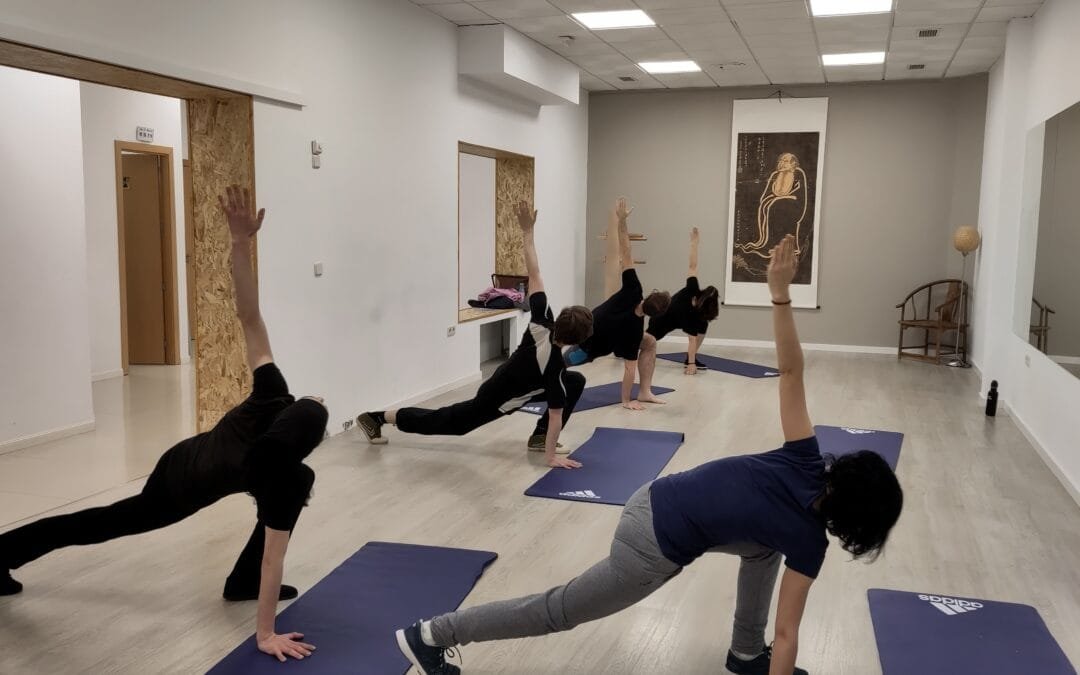
What Is Functional Training?
The definition of functional training has evolved considerably in recent years. We will explore this concept in greater depth in a future article, but in general terms, functional training can be described as a way of exercising the body through movements that mirror the activities we perform in everyday life or in sports.
Its primary goal is to improve physical performance, health, and overall quality of life, while also helping to prevent and rehabilitate injuries.
Functional training adapts to the specific needs, characteristics, and goals of each individual or discipline. It focuses on exercises that engage multiple muscle groups and joints simultaneously, promoting efficiency, balance, and coordination of movement.
Functional Training: Mobility, Balance, and Strength
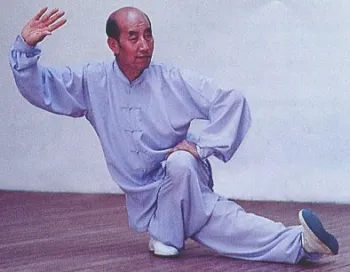
Muscle Mobility — What For?
Muscle mobility refers to the ability of a muscle or joint to move through its full range of motion. Muscles and joints become more mobile when they are stretched regularly, which increases their elasticity and allows them to lengthen and return to their original shape more easily.
Mobility is essential because it enables us to move our bodies through a wide range of motions, improving our ability to perform activities with proper form and helping to prevent injuries.
The Importance of Balance in the Muscular Chain
Muscular chains are continuous circuits of direction and planes through which forces are transmitted. These circuits form an integrated system that connects the nervous system, the musculoskeletal system, and the fascia, working together to maintain overall body balance.
Muscular balance is essential for maintaining proper posture and preventing injuries. An imbalance within the muscular chain can lead to poor posture, pain, and even injury. Moreover, adequate mobility is necessary to reach the optimal range of each joint and to enhance movement performance in sports and daily activities.
Mobilizer and Stabilizer Muscles
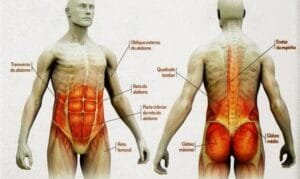
Mobilizer muscles are those primarily responsible for producing movement. In contrast, stabilizer muscles work to provide support and maintain joint stability during movements performed in sports or daily life. Their role is to prevent joints from shifting or becoming injured, allowing the primary or “mover” muscles to perform their actions efficiently and safely.
The Importance of Strength Training in Flexibility

Flexibility is the ability of a muscle or muscle group to lengthen passively within a given range of motion. A good level of flexibility allows for greater joint mobility, improves posture, reduces the risk of lower back pain, enhances muscular coordination, and promotes blood flow and nutrient delivery to the tissues.
It depends on several factors, including muscle elasticity, joint type, strength, stability, and coordination. Flexibility is essential for improving athletic performance, preventing and rehabilitating injuries, facilitating technical learning, maintaining proper posture, and reducing stress.
Strength training plays an important role in flexibility because it helps keep muscles elastic and prevents muscle shortening,  which can limit joint range of motion and overall mobility. In addition, strength training improves blood circulation and the supply of oxygen and nutrients to the tissues, promoting muscle recovery and the elimination of toxins.
Strength training and flexibility are two physical capacities that complement and enhance each other. For this reason, it is important to include both in a well-balanced training program that supports overall health and physical performance.
In summary, functional training aims to improve mobility, maintain proper balance within the muscular chain, and strengthen both mobilizer and stabilizer muscles. All of this is achieved through the development of flexibility and strength.