Back to Guangzhou: A Journey to the Roots of Wing Chun
Introduction
In early February 2026, I had the chance to return to Guangzhou to take part in another intensive Wing Chun training programme within the Mai Gei Wong lineage.
The previous year, during my first visit to Guangzhou, I had come to explore the region where Wing Chun was born, and in particular to research the lineage of Yuen Kay San. By pure chance, I stumbled upon a school that would change my perspective and deeply reshape my Wing Chun practice. What began as a mostly historical trip took a completely different turn when I agreed to join a one-week intensive training course at the school of Sifu Wong Nim Yi.
Coming from a background mainly rooted in the Ip Man lineage, I was genuinely surprised to discover a system that felt entirely distinct: remarkably well preserved, with an authentic and transparent transmission.
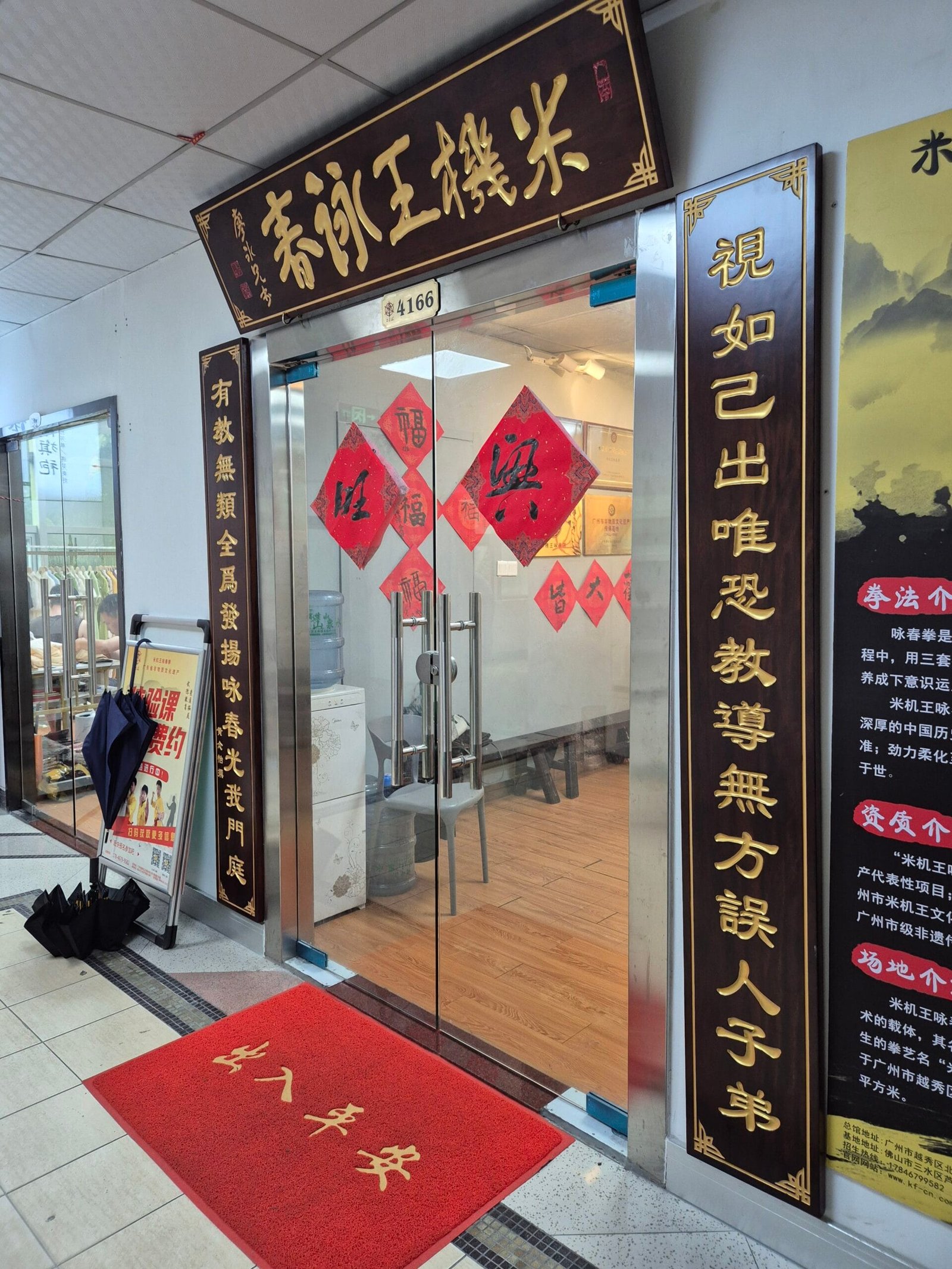
Escuela Mai Gei Wong Guangzhou
Source: Colección personal del autor
The Cradle of Wing Chun
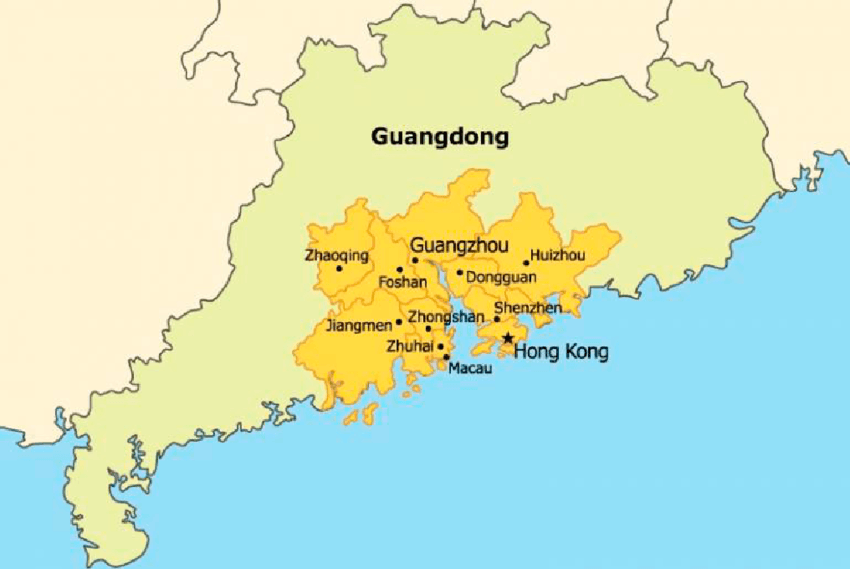
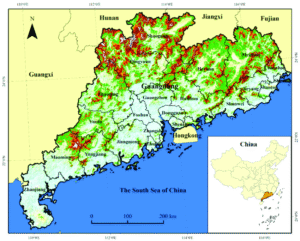
Guangdong Province
Source: ResearchGate
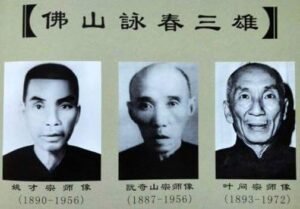
Guangzhou lies roughly one hundred kilometres north of Hong Kong, close to the famous Shenzhen, a massive tech hub often compared to a Chinese Silicon Valley, and right next to Foshan, a key city in Wing Chun history, home to major figures such as Ip Man, Yuen Kay San, and earlier on, Doctor Leung Jan.
More broadly, this Guangdong (Lingnan) region is one of the great cradles of Southern Chinese martial arts. Nearby, Choy Li Fut was founded in 1836 by Chan Heung in King Mui (Xinhui, Jiangmen). And along the Foshan–Guangzhou axis, influential lineages such as Hung Gar took root, often associated with historic figures like Wong Fei-hung. Guangdong is also deeply marked by Hakka-rooted systems such as Southern Praying Mantis and Southern Dragon, originating mainly in the eastern part of the province.
(To learn more about the birth of Wing Chun in this region, I invite you to read this article: here.)
The Legacy
Master Mai Gei Wong 米机王
According to the school’s official account and the converging oral narratives preserved within the lineage itself, the founder known as “Mai Gei Wong” (米机王) was named 黄沪芳 (Huang Hu Fang, 1929–1998), sometimes romanised in Cantonese as Wong Wu Fong. Born in the village of Dapu (Sanshui County, Guangdong Province), he began training from a very young age under the influence of his father, Huang Bo Dong. His early formation included a wide range of systems and methods, including “Northern Shaolin”, “Tai Chi Chuan”, “Bot Gwa”, “Xing Yi”, “Tai Hoi”, “Mok Ga”, as well as Western boxing, wrestling, and weightlifting.
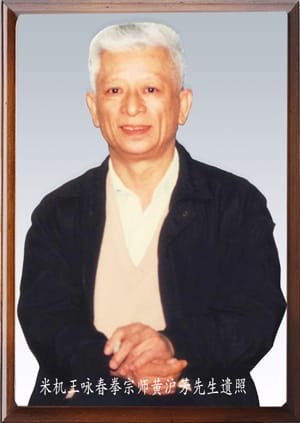
Mai Gei Wong
Source:
Official website
His entry into Wing Chun came through a decisive teacher: Wong Jing, also known as Huang Zhen / Huang Shao Zhen (黄祯 / 黄绍祯). Wong Jing is described as a rare profile, both a fighter and a man of culture. According to this tradition, Wong Jing received instruction from the master Lai Ying (李英), a student of Leung Jan, and later maintained ties with the circle of Yuen Kay San, with an important bridge towards Sum Nung (岑能).
Under Wong Jing, Huang Hu Fang studied Wing Chun over a long period of time. From that base, he developed a personal expression of the system, keeping a core clearly linked to Foshan Wing Chun, while integrating the experience of his earlier training (Northern and Southern methods, boxing, wrestling, and physical conditioning). This combination helps explain why Mai Gei Wong Wing Chun retains such a strong identity, while also incorporating elements associated with the Guangzhou/Yuen Kay San approach, especially in San Sik work and practical application.
Wong Wu Fong became a highly admired figure in the local martial arts community, and many stories about his fighting ability, speed, and power have been passed down, often described as being confirmed by eyewitnesses of the time. His nickname, “Mai Gei Wong” (米机王), was attributed later: 米机 refers to a “rice machine” (in the context of work linked to a factory/rice processing), and 王 means “king”. Over time, this sobriquet came to identify the entire lineage.
After his death in 1998, his son Wong Nim Yi chose to officialise the name and consolidate the transmission publicly, establishing and signposting the teaching centre in Tianhe (Guangzhou) under the name “Mai Gei Wong Wing Chun”.
Today, Mai Gei Wong Wing Chun is recognised as part of Guangdong’s Intangible Cultural Heritage, specifically as a provincial-level representative project (广东省级非物质文化遗产代表性项目).
Sifu Huang Nim Yi (黄念怡)
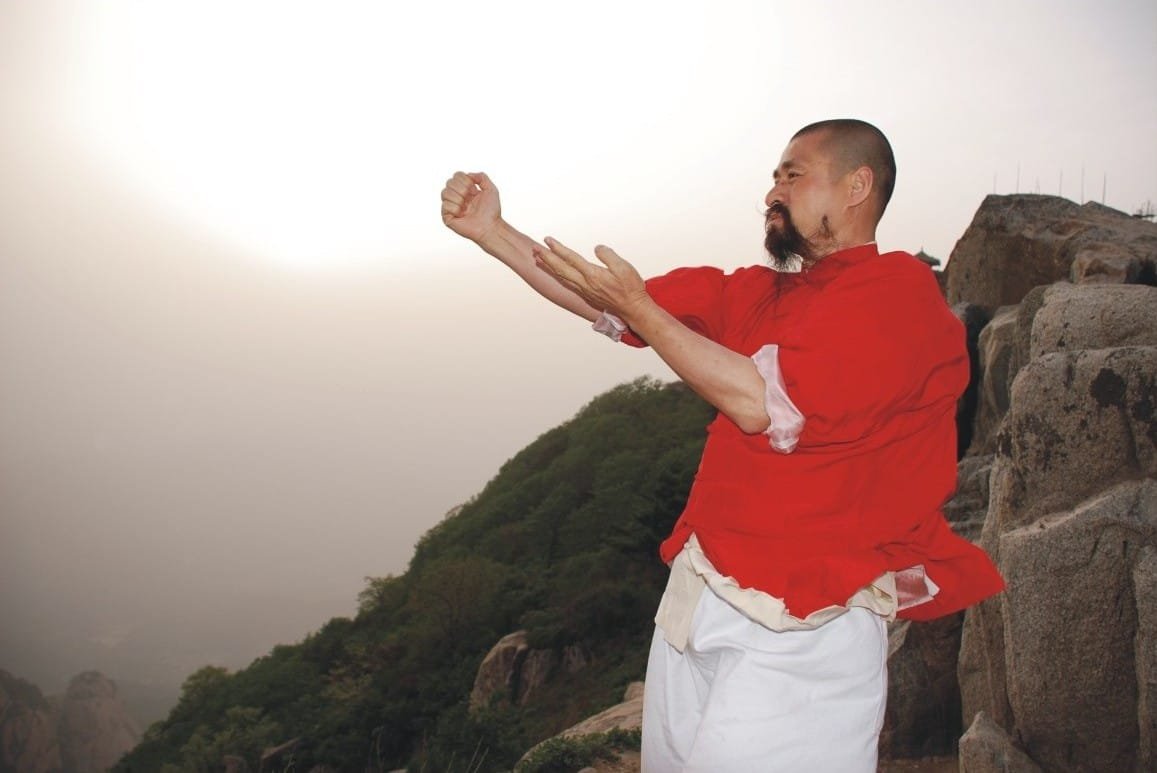
Master Wong Nim Yi
Source:
Official website
As the eldest son of Mai Gei Wong (黄沪芳 / 米机王), he is today the inheritor and main custodian of the Mai Gei Wong Wing Chun lineage. Trained from early childhood by his father and, according to testimonies within the family, also guided by other respected teachers to broaden his understanding, he is likewise known for his mastery of Chinese calligraphy.
After his father’s passing, and to ensure that decades of work and transmission would not be lost, he chose to officially open and register the Mai Gei Wong school in Guangzhou in 1998. Since then, he has trained many students and disciples, giving the family system a clearer, more progressive structure and pedagogy.
For years now, he has sought to modernise and adapt the method to contemporary reality without losing the style’s identity: an open mind, exchange, and a genuine will to transmit the art without locking it behind secrecy. In that spirit, his teaching has also extended to Europe, where the lineage has gradually taken root.
Sije Huang Dong Wei (黄冬薇)
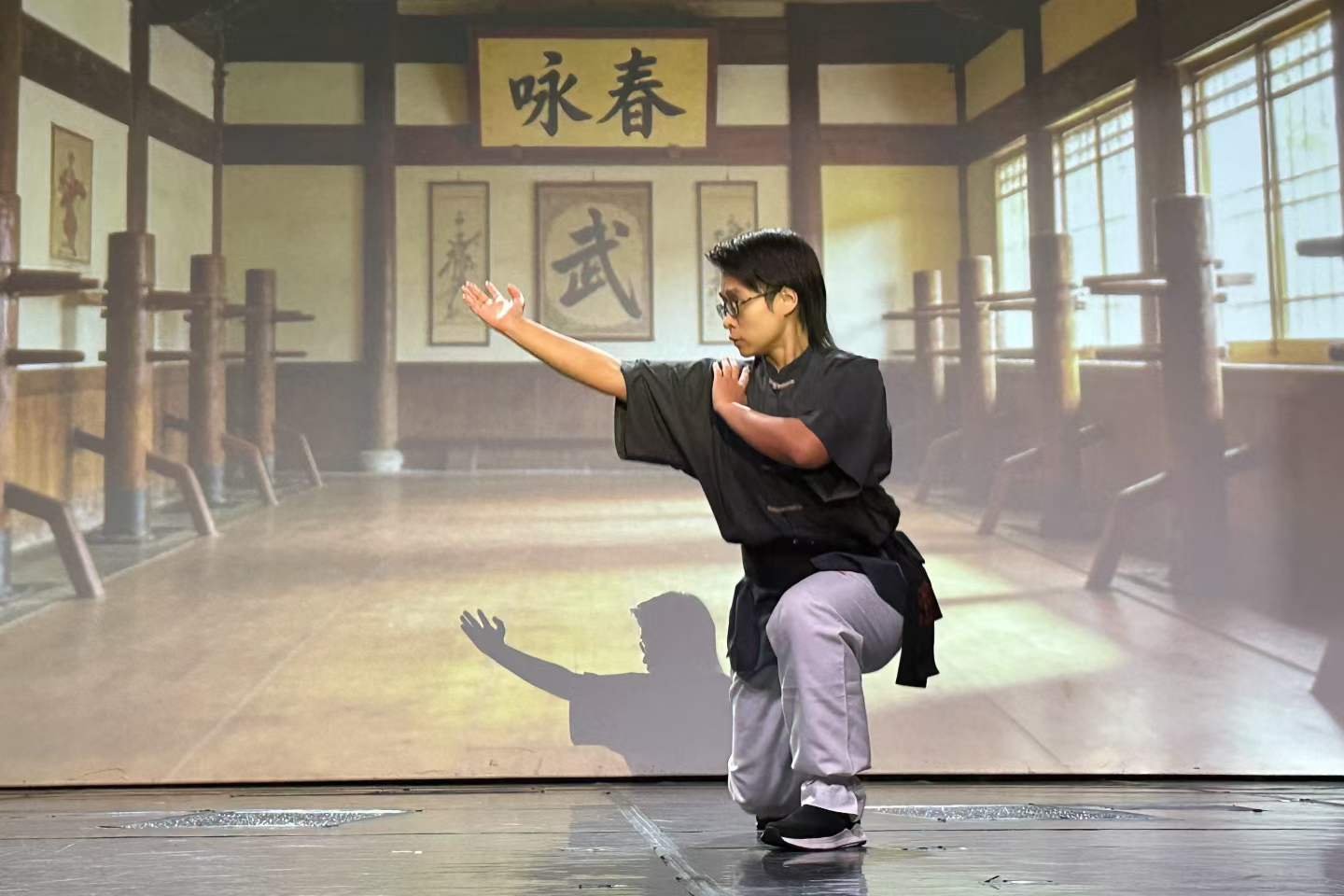
Huang Dong Wei
Source: WeChat
His daughter, Huang Dong Wei (黄冬薇), my Sije (senior training sister), is also deeply rooted in the system, having trained from a very young age. Involved in many regional projects, she continues to develop the tradition with pride and supports her father in transmitting their art.
Today, she teaches the majority of the classes at her father’s school in Guangzhou.
Immersion: Kung Fu and Tradition
For ten days, I had the opportunity to study the 12 San Sao 十二散手 in depth, along with their applications: in paired training, against a partner as an opponent, and in their adapted version on the wooden dummy. These twelve “routes” condense the essential fighting techniques and strategic core of the Mai Gei Wong system, and they form a solid foundation on which the learning of the style is built.
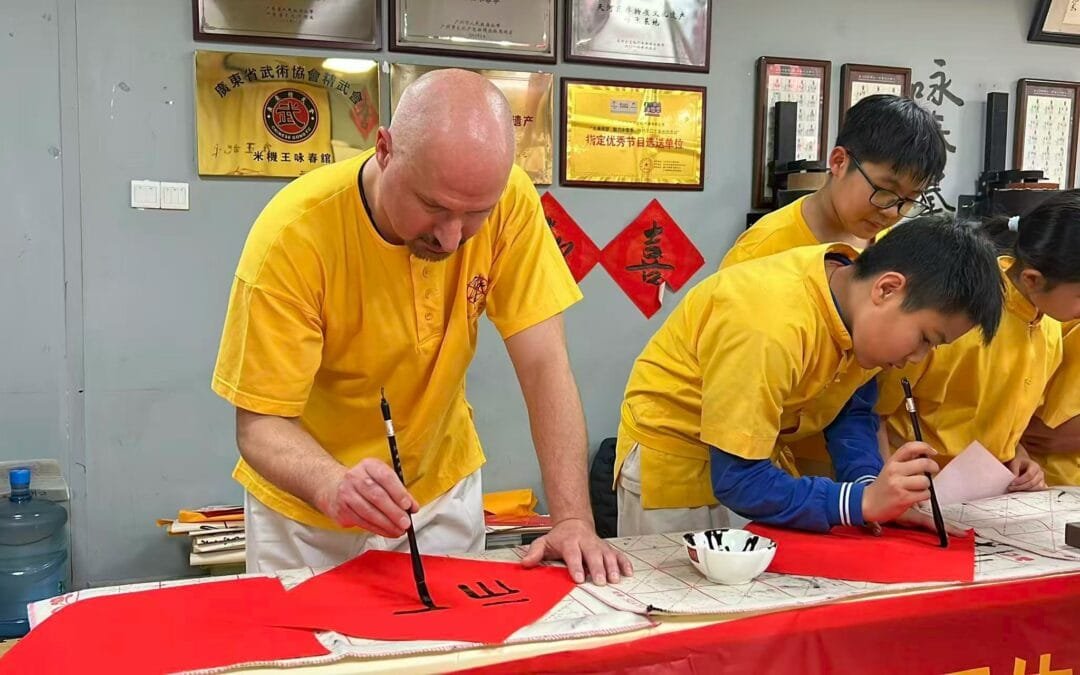
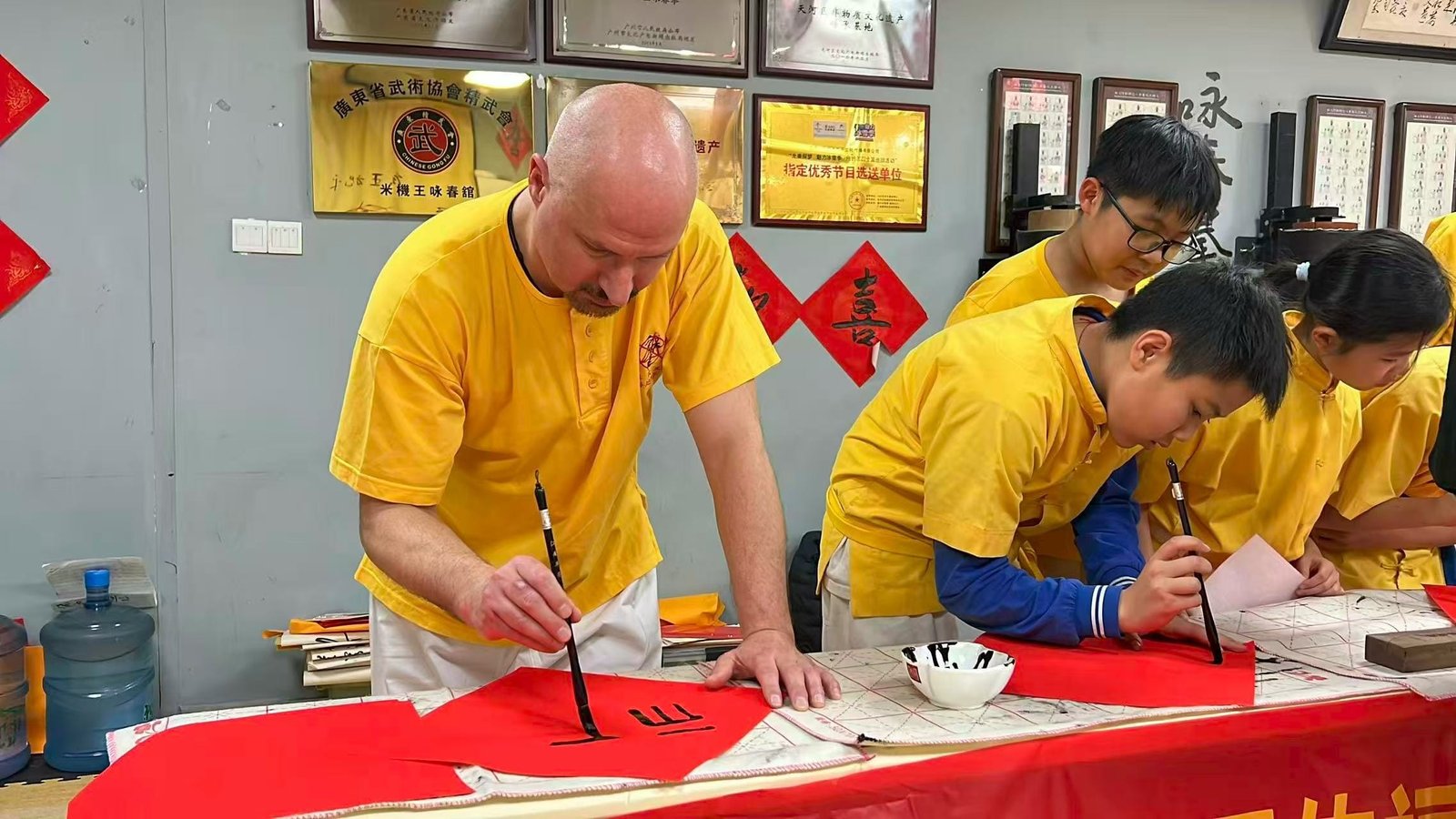
The experience was once again incredible, with a very friendly and close atmosphere, also shaped by the constant sense of humour of Sifu Wong Nim Yi, which brings a light, human energy even in the most demanding moments of training. Over those ten days, under the guidance of my Sije Dong Wei and Sifu Huang, I was able to explore the richness of these 12 “routes” in detail: their logic, their technical nuances, and above all how they change when moving from structured drills to real application.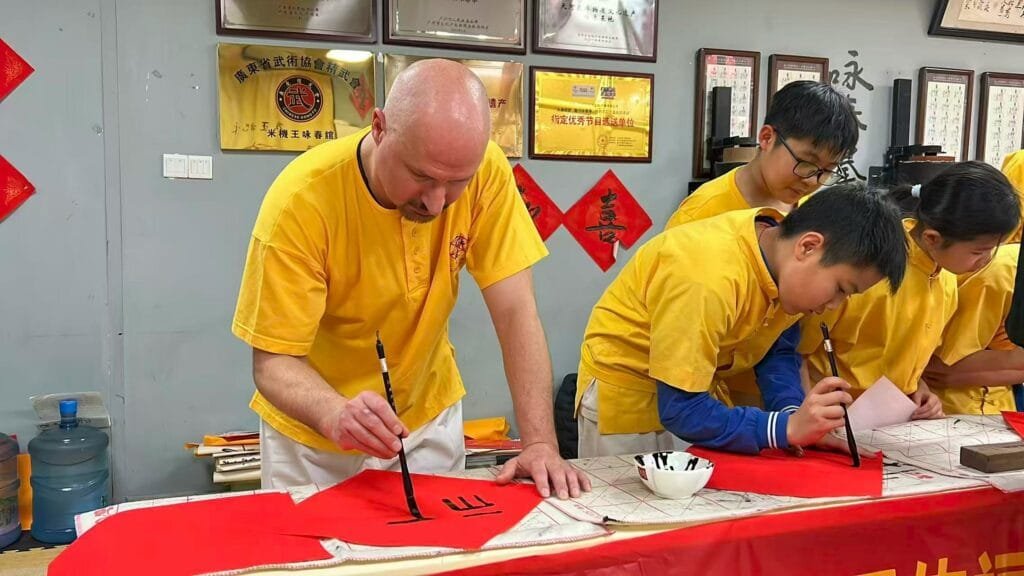 The proximity of Chinese New Year gave the trip a very special flavour. During one of the sessions, I even had the chance to be introduced to Chinese calligraphy and to admire the skill of Master Huang up close, a quiet reminder that in this culture, kung fu is also transmitted through gesture, attention, and precision.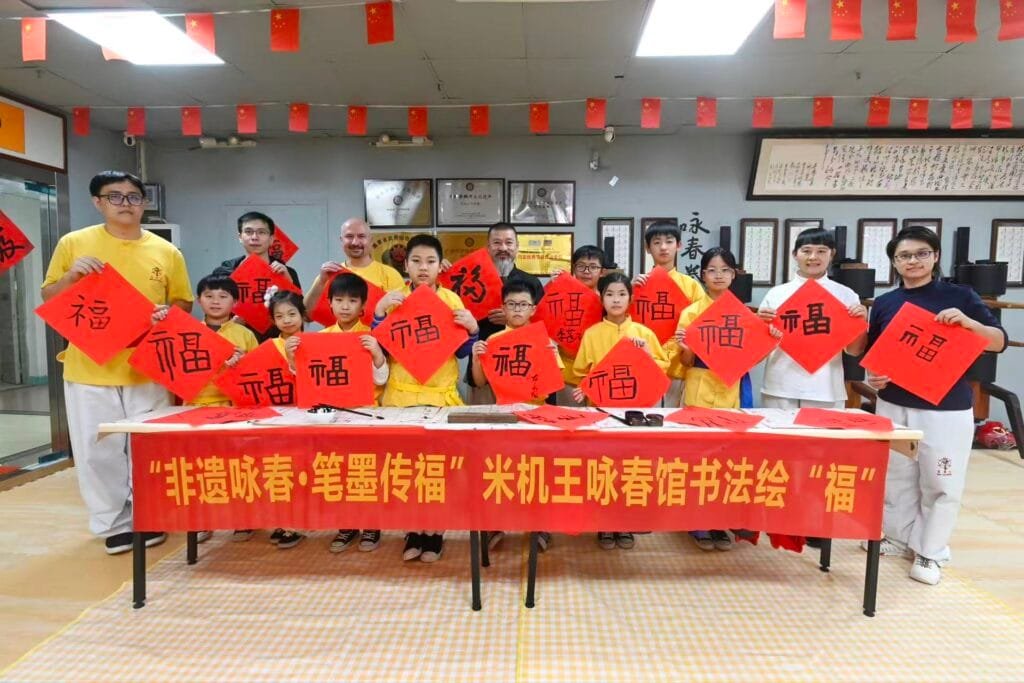
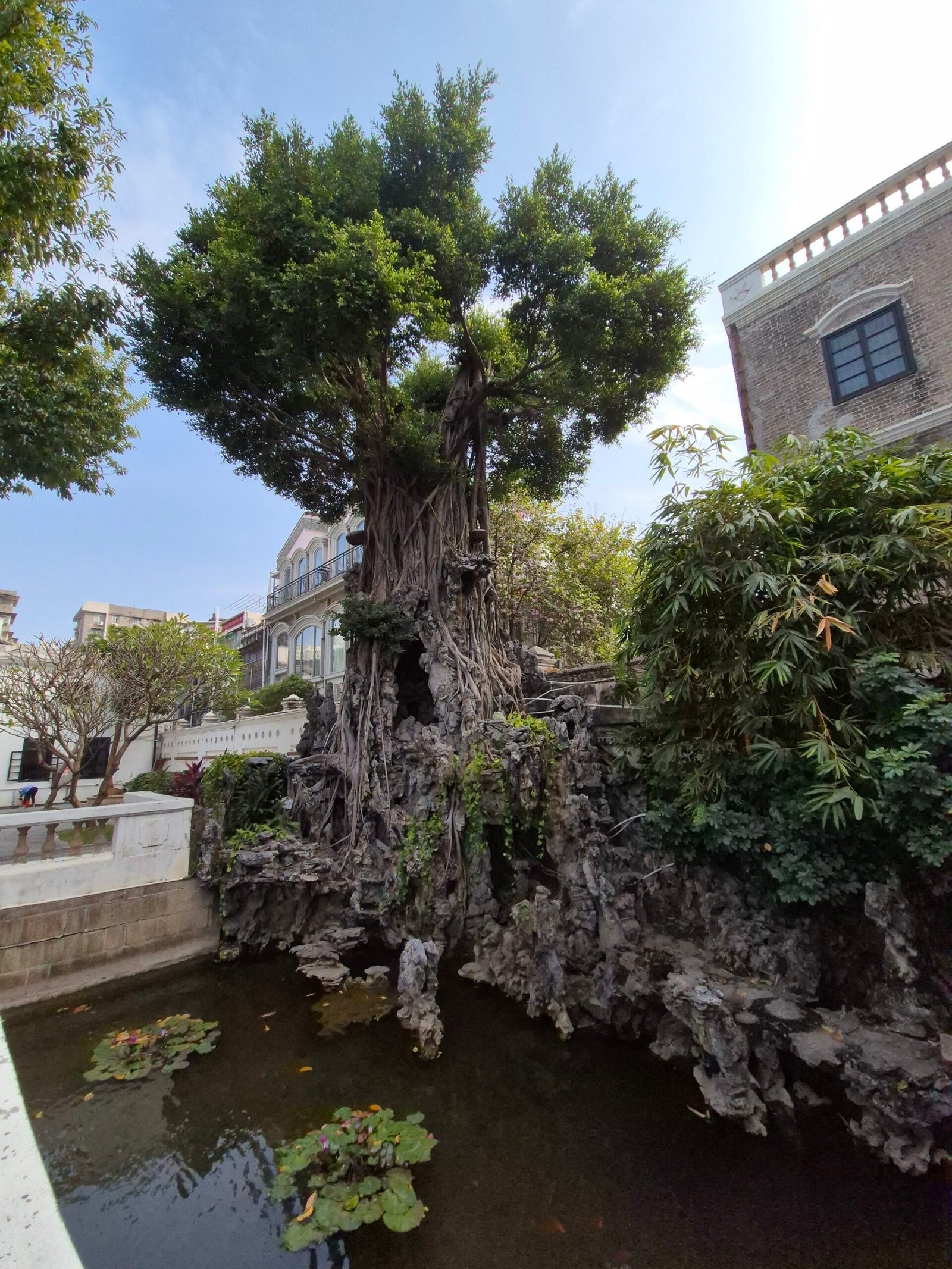
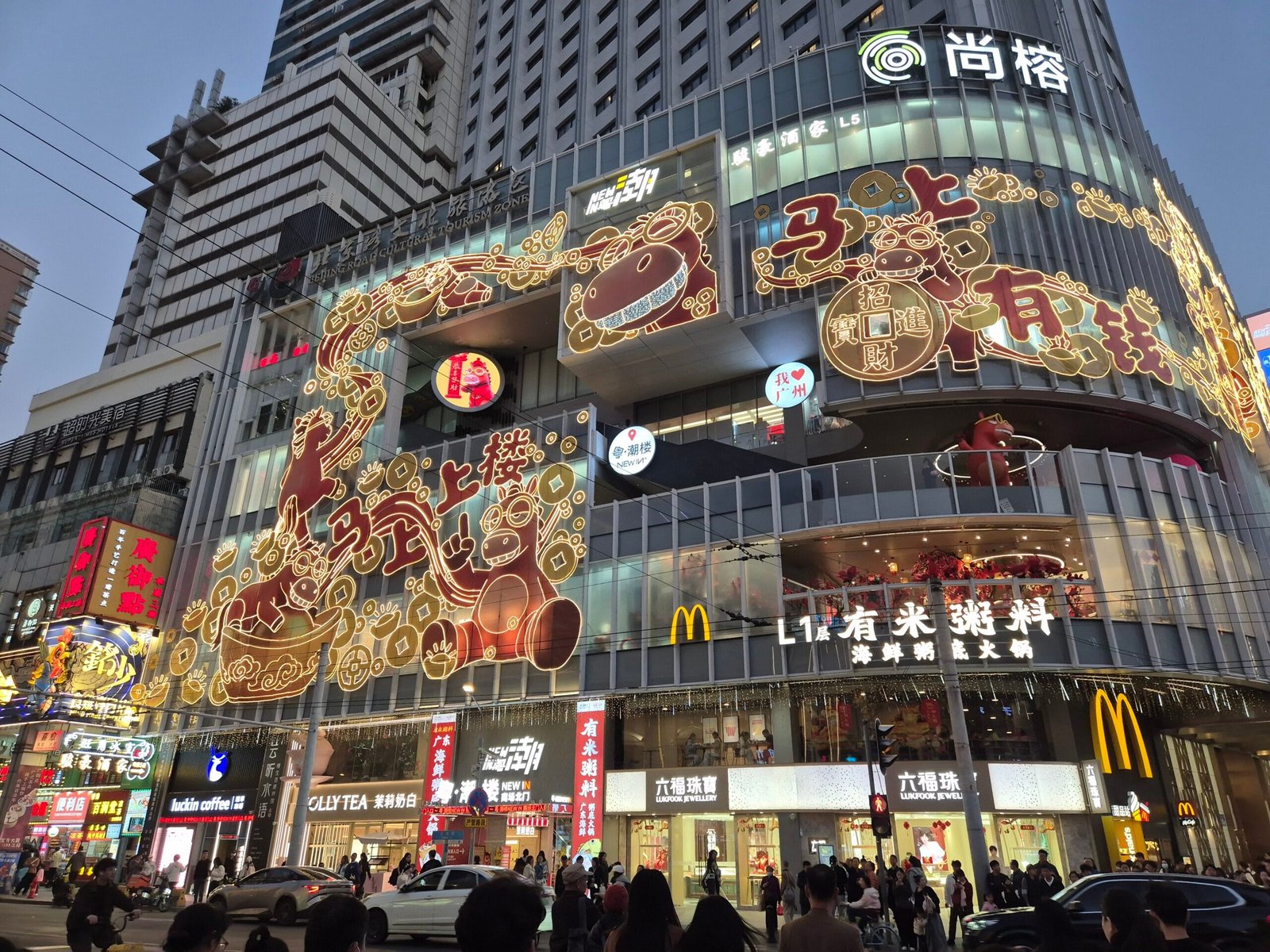
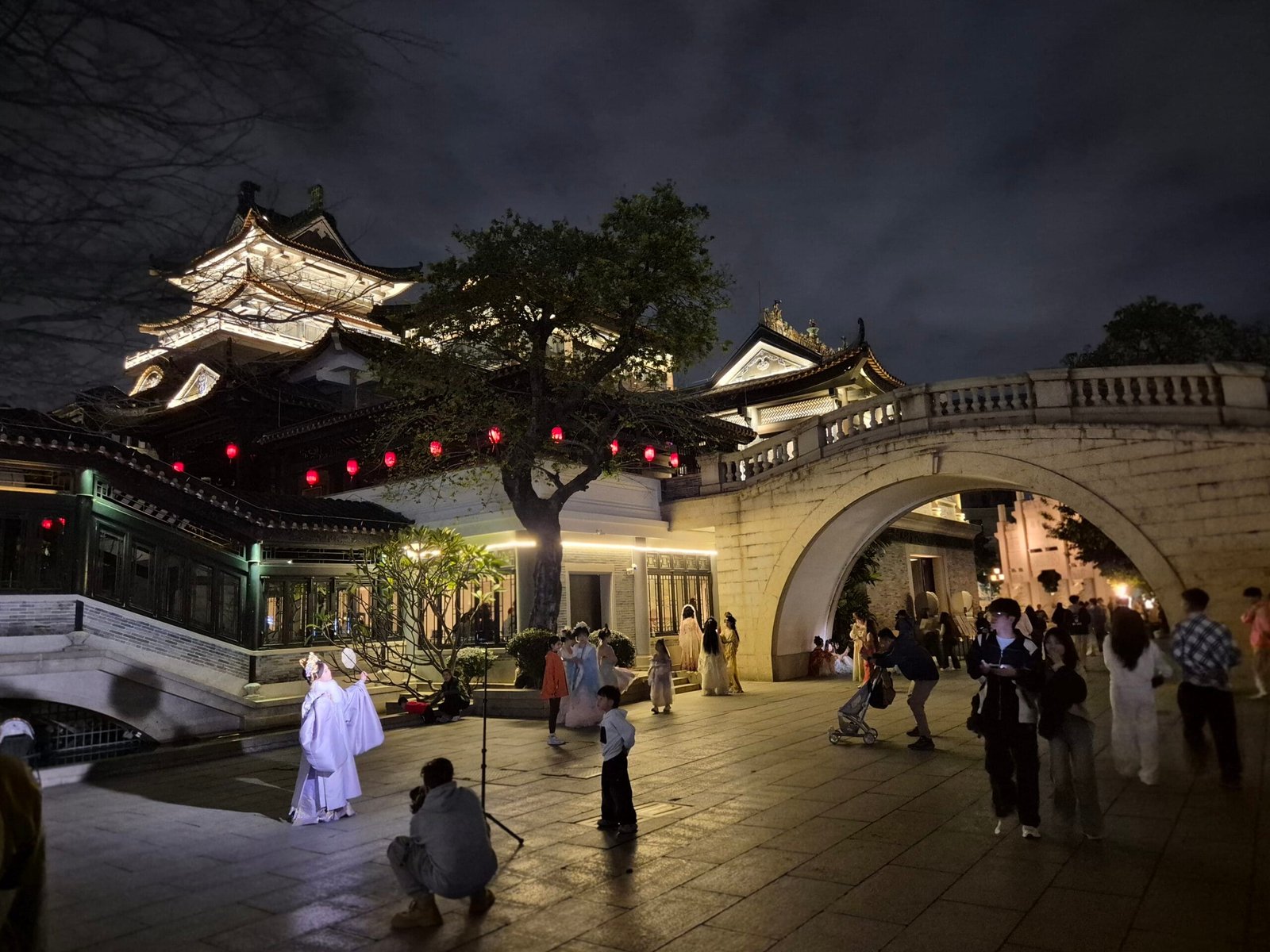
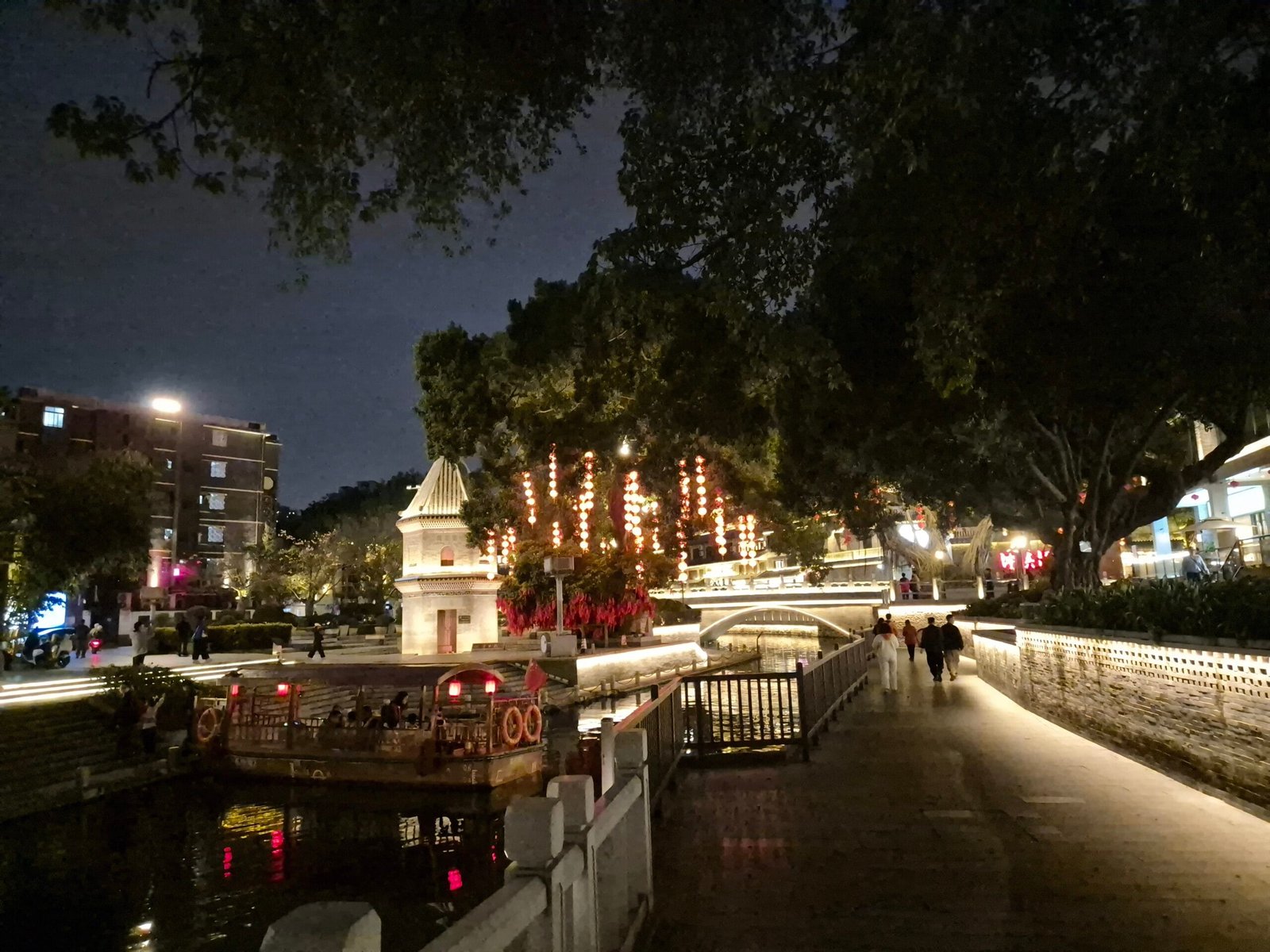
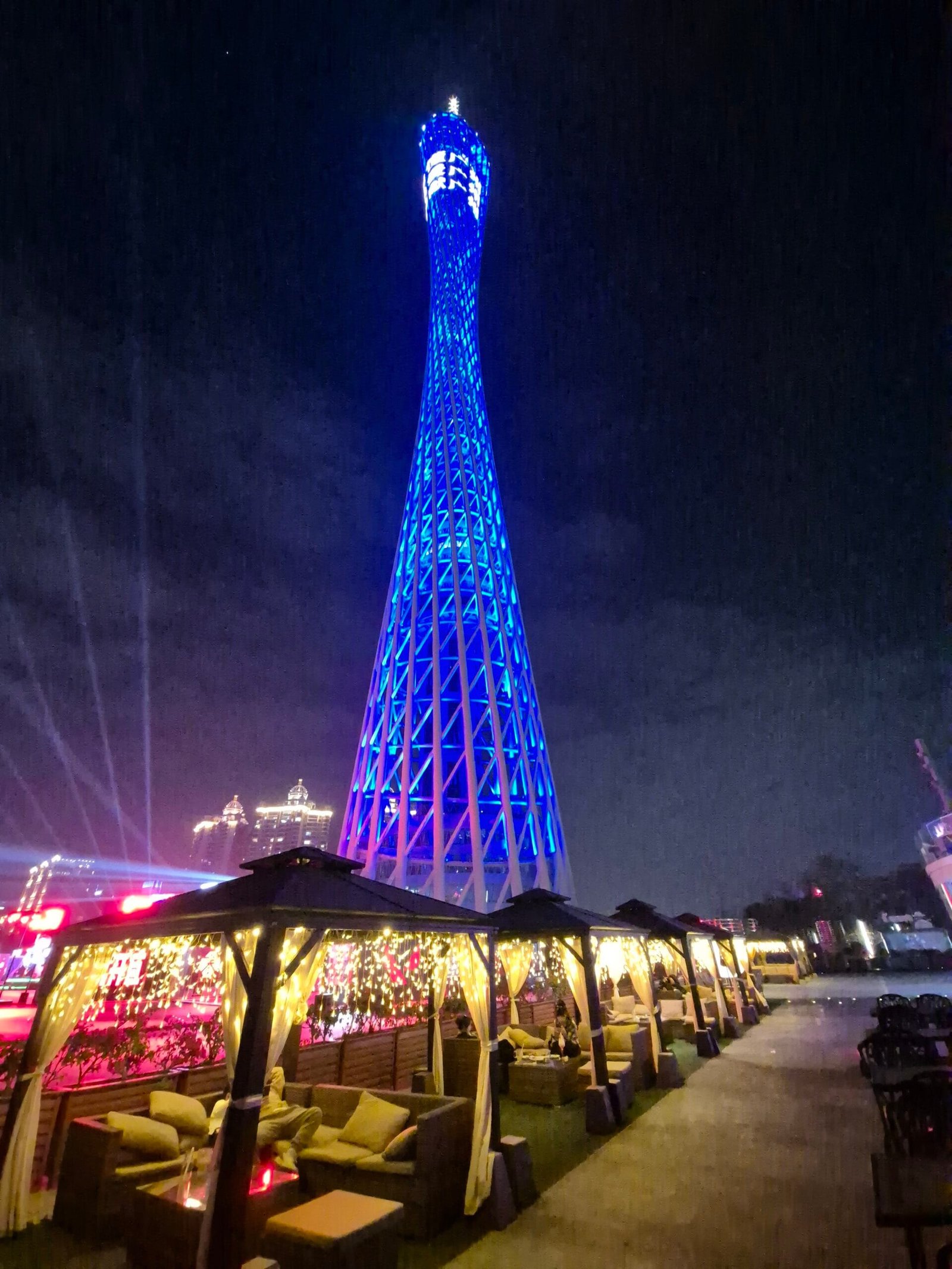
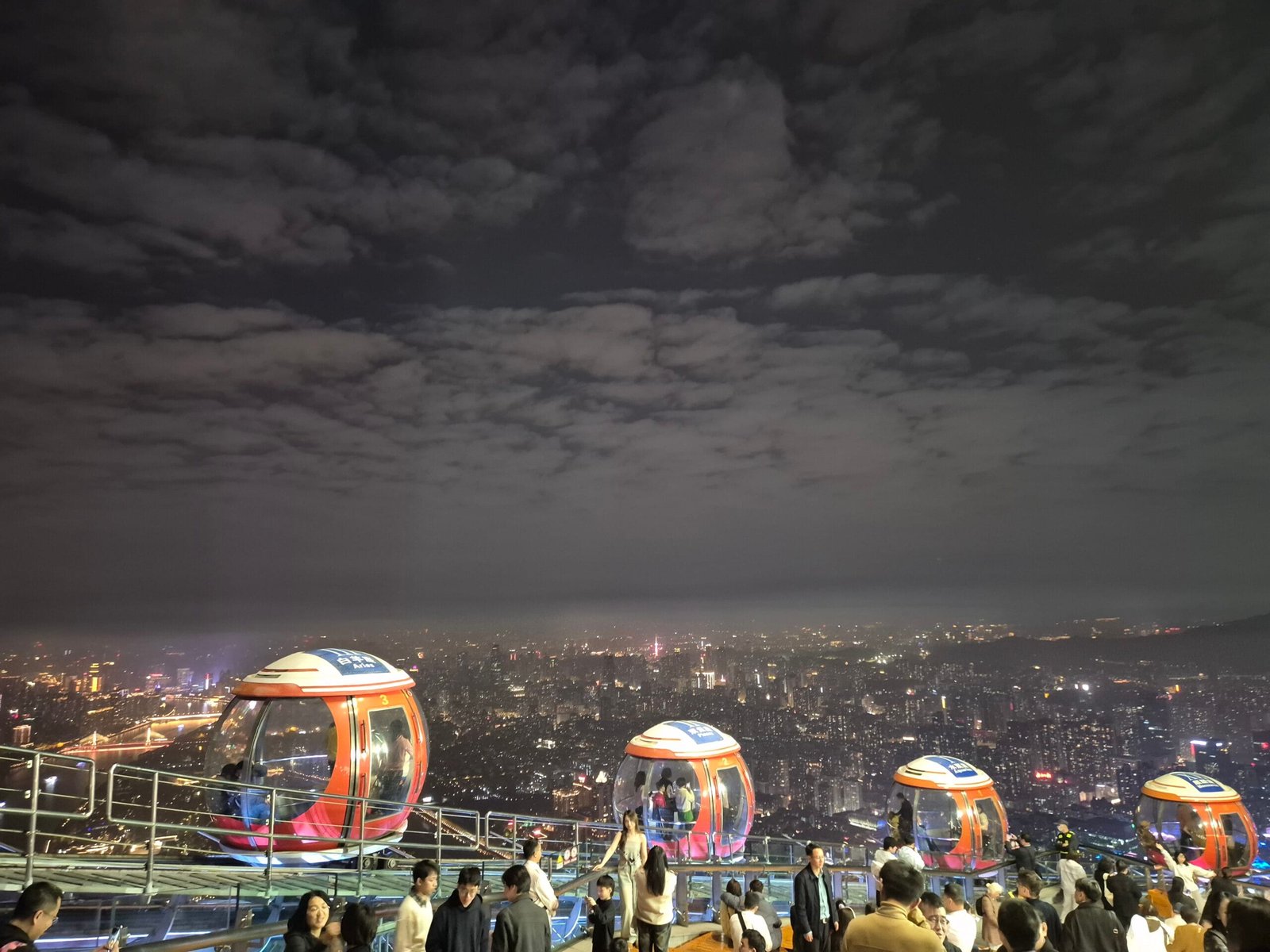
But visiting Guangzhou (formerly known as Canton) also means stepping into the beating heart of modern China, deeply rooted in its own history. With 16 million inhabitants, Canton is the capital of Guangdong province. Like most major Chinese cities, it has been completely transformed and modernised in just a few decades. Today, an imposing skyline rises up, with glowing towers stretching as far as the eye can see.
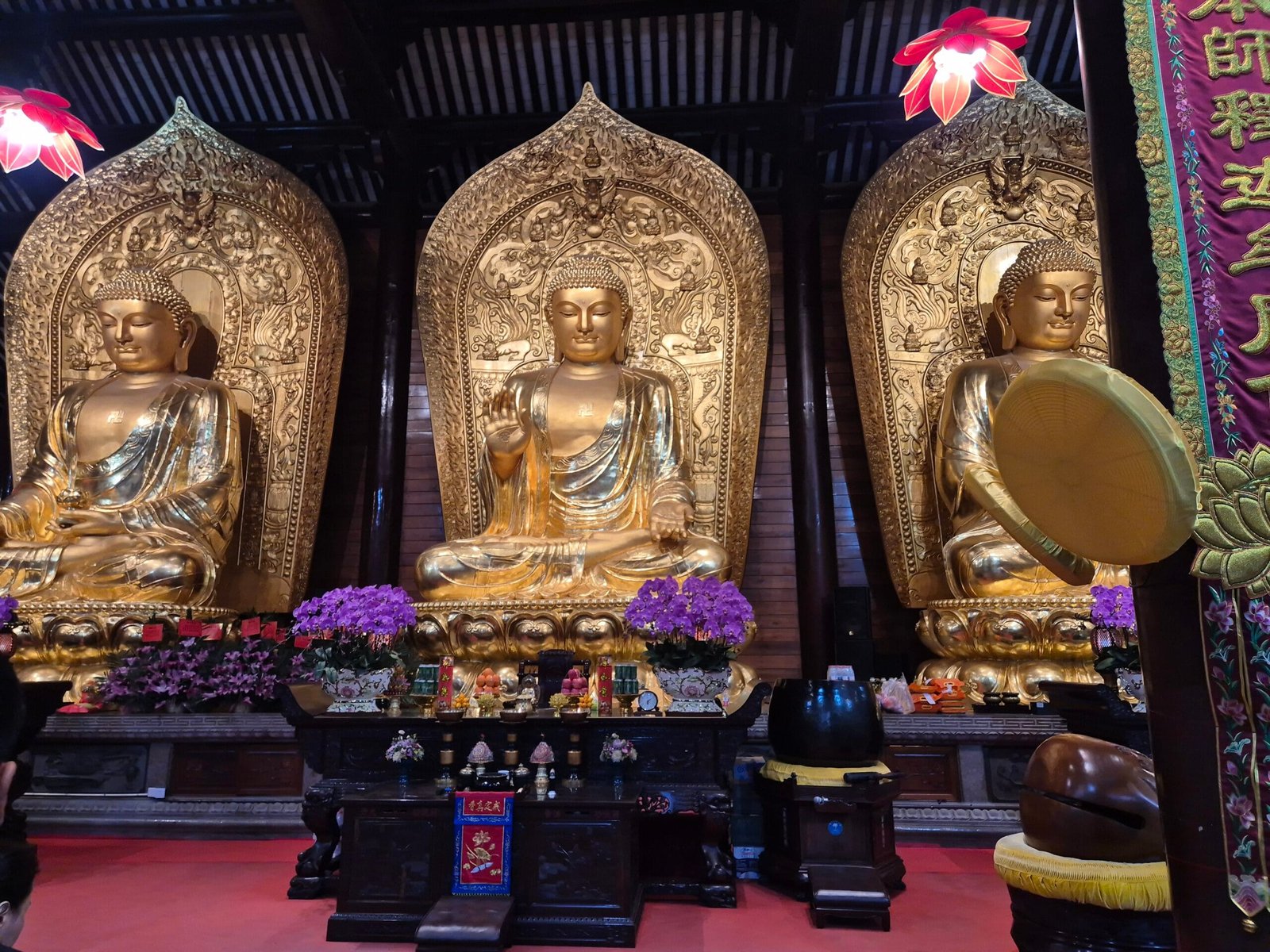
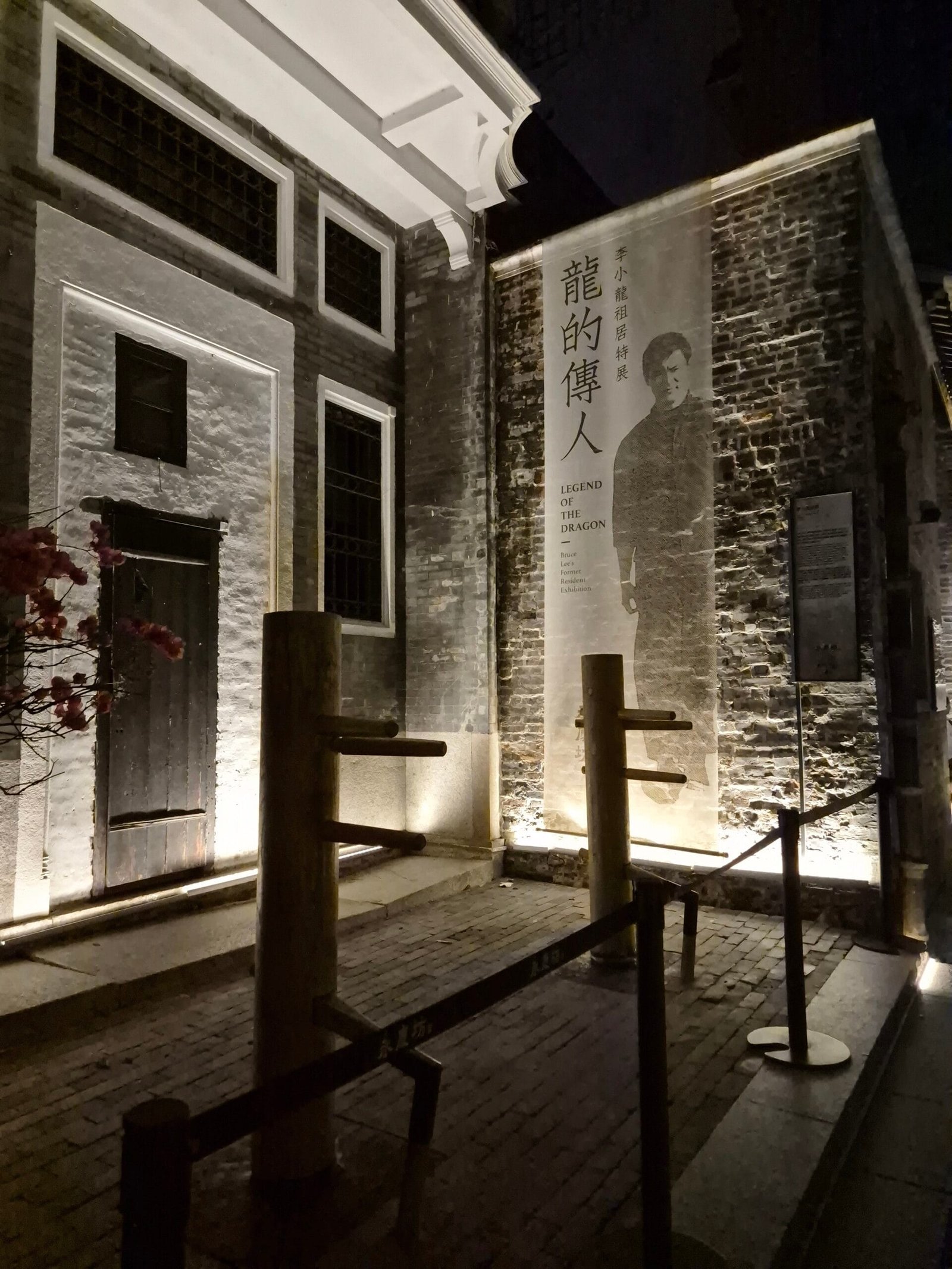
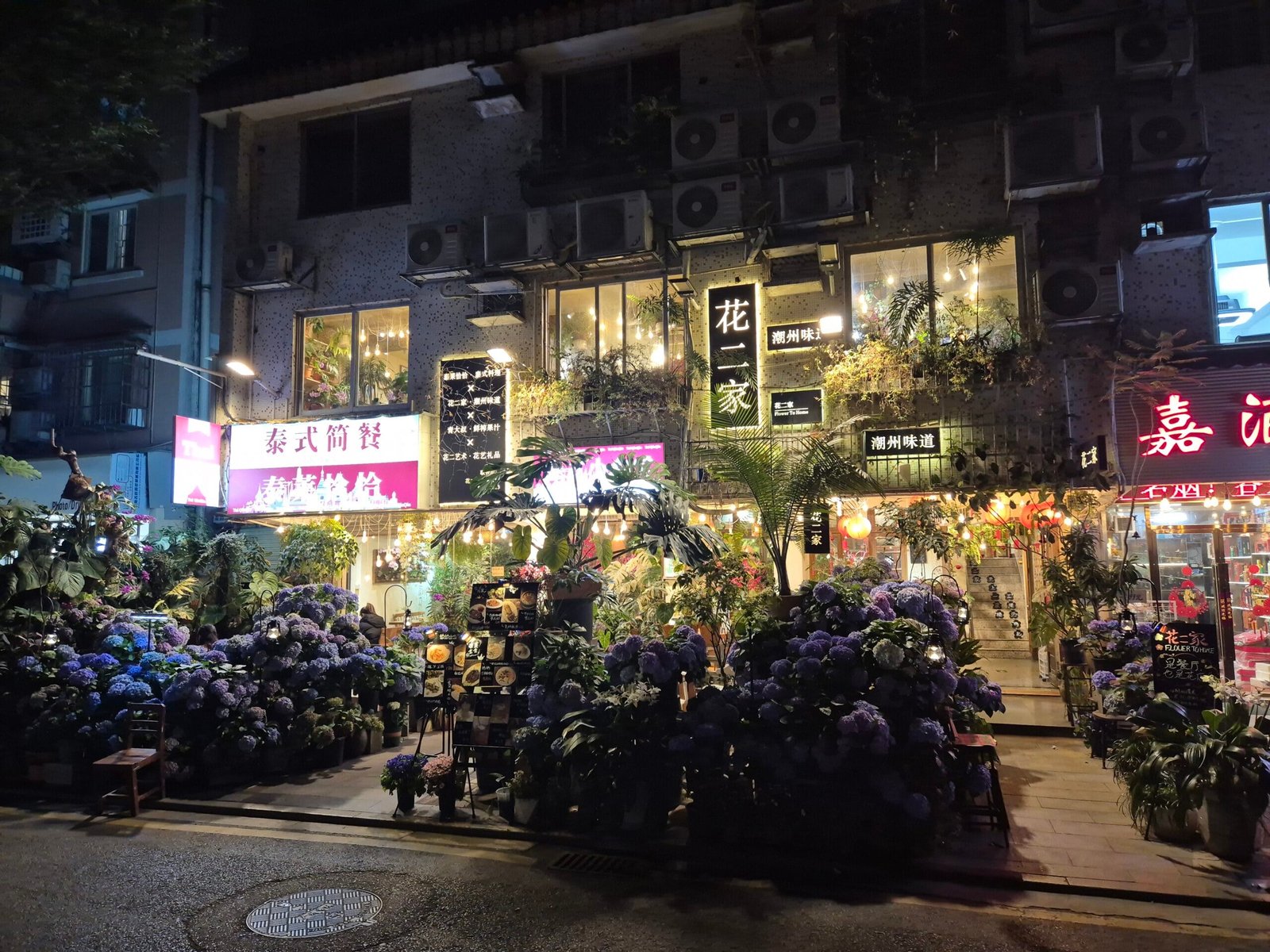
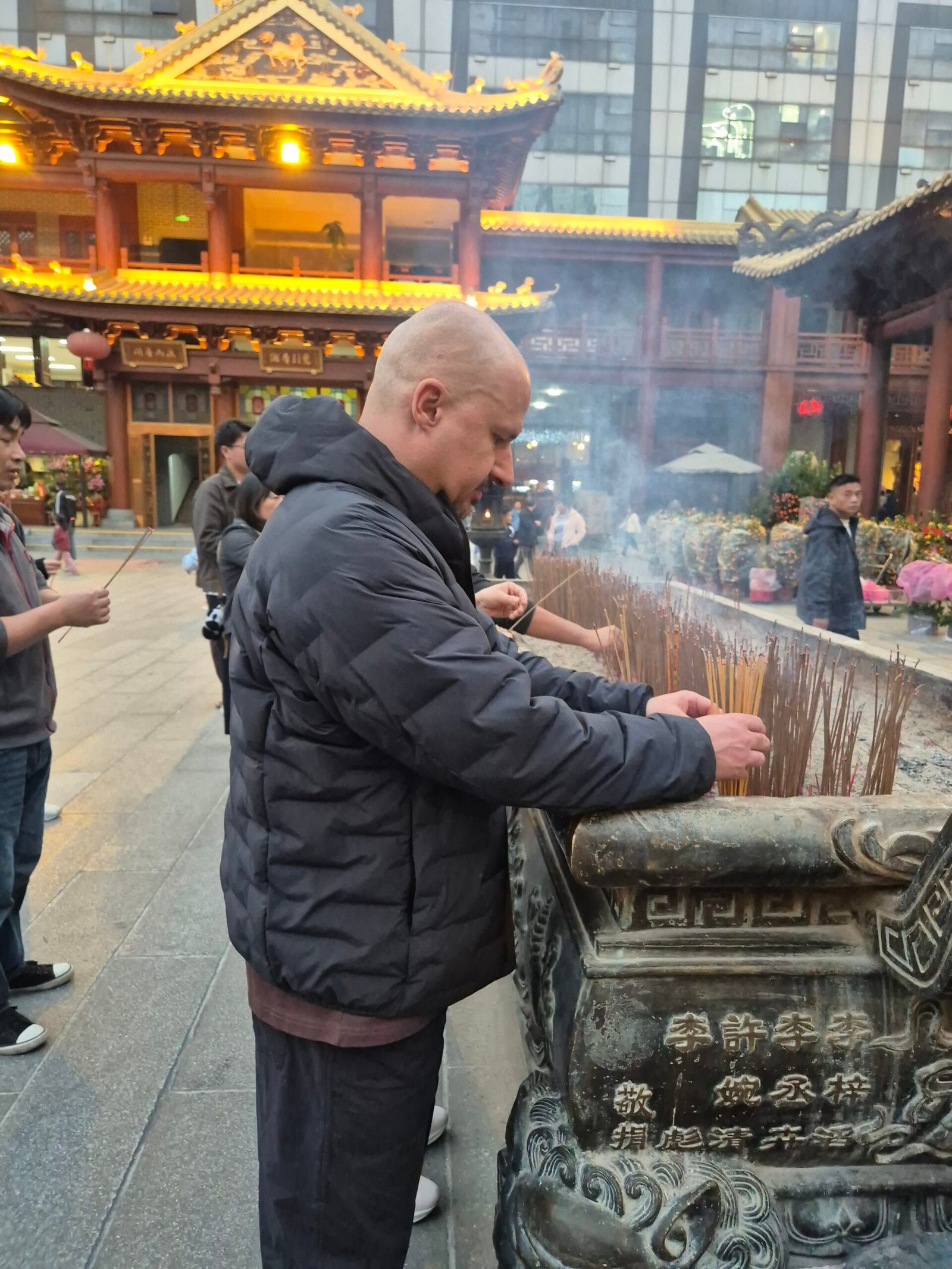
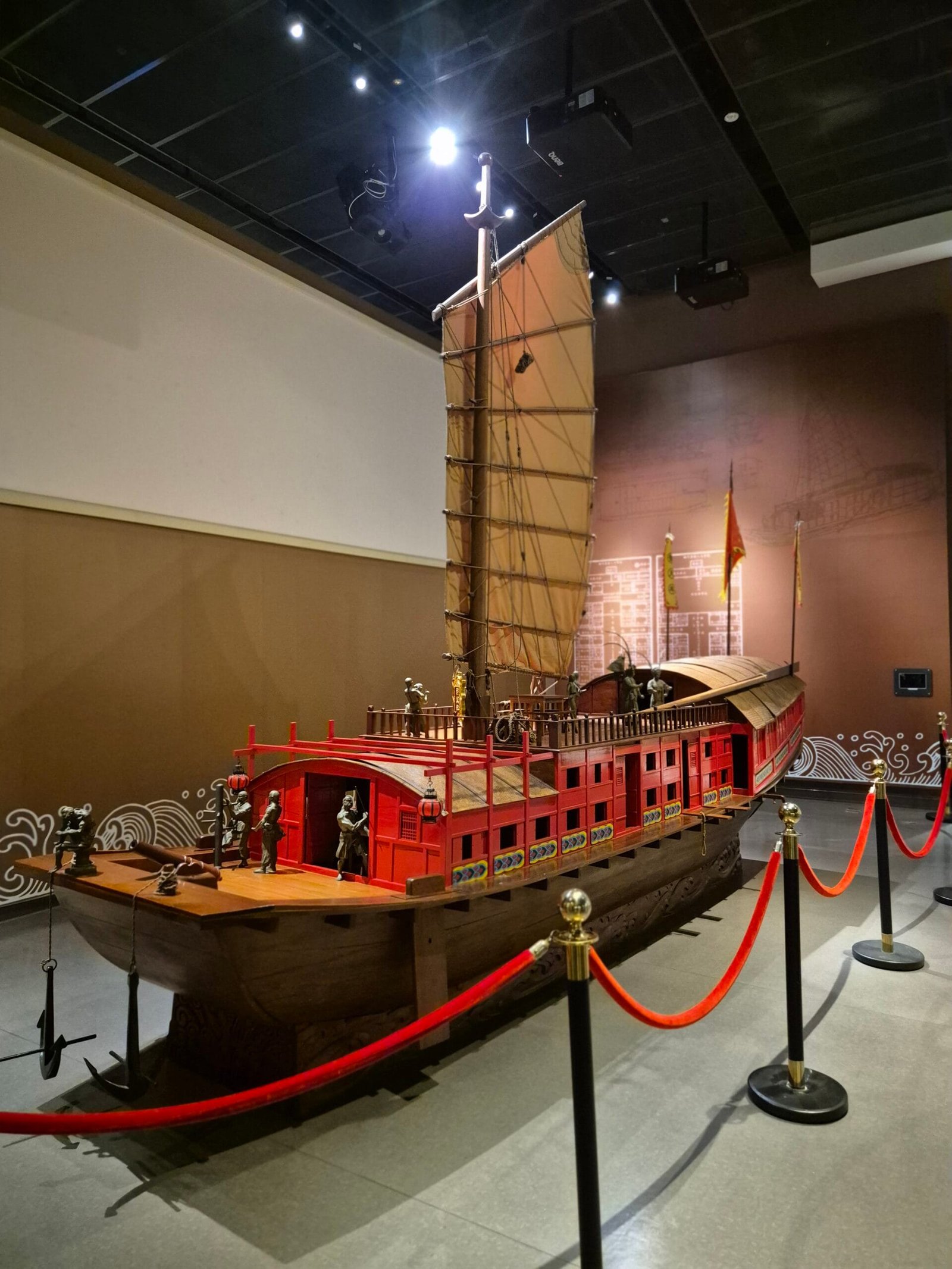
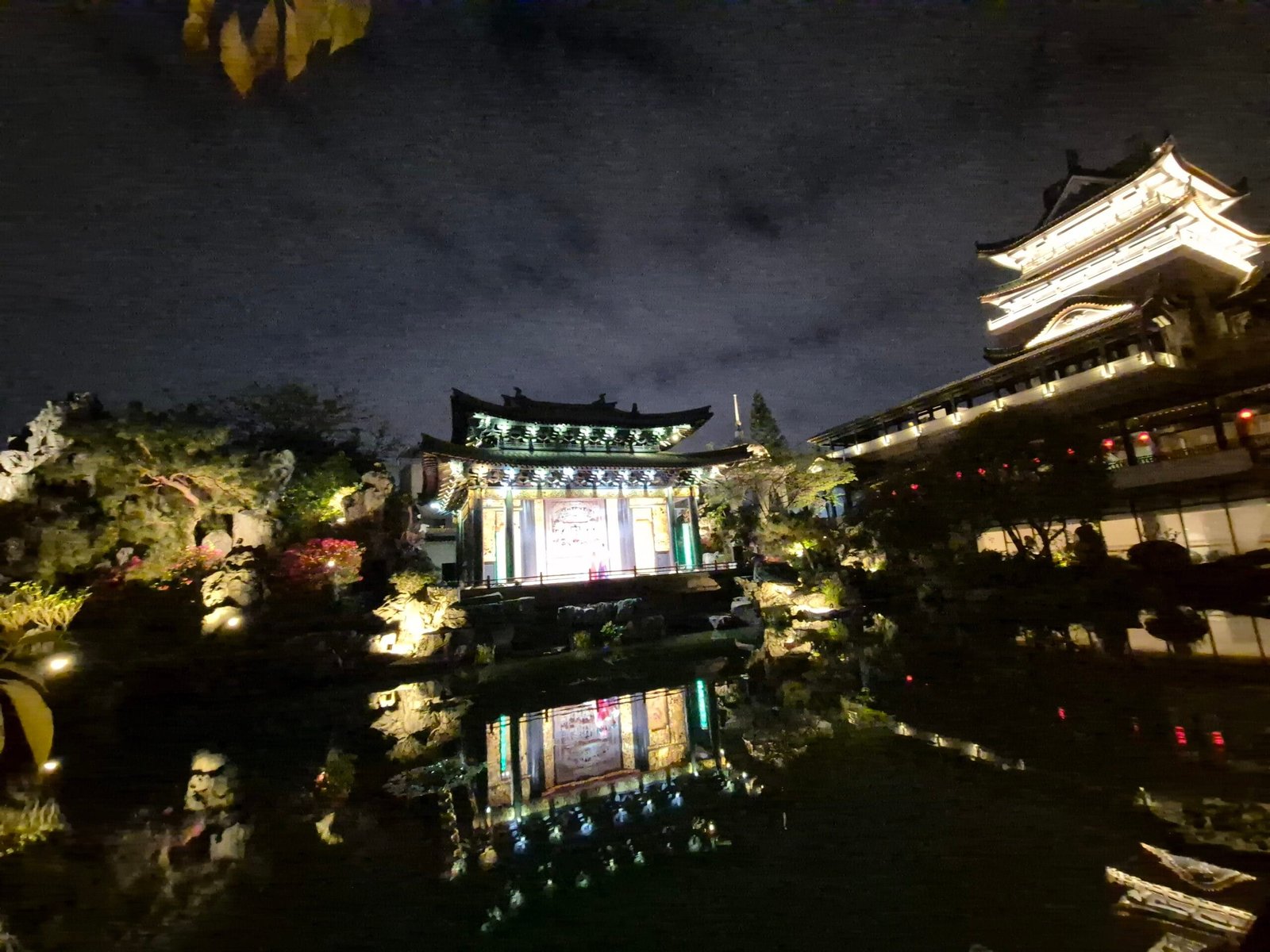
A cradle of rich culture and one of China’s first major points of contact with the West, Guangzhou still preserves places where you can breathe: parks, and above all, historic sites that have been carefully kept intact. You can still walk through old neighbourhoods, visit spaces linked to Cantonese opera, or come across more unexpected traces, such as the ancestral home connected to Bruce Lee’s family.
Today’s China is, in many ways, the world of tomorrow, and the atmosphere you feel there is incomparable. Between ultra-modern districts and ancient streets, Guangzhou is breathtaking. Having a drink at the foot of the Canton Tower feels like stepping into the future, while moving through the old quarters, with their stalls and markets, feels like travelling a century back in time.
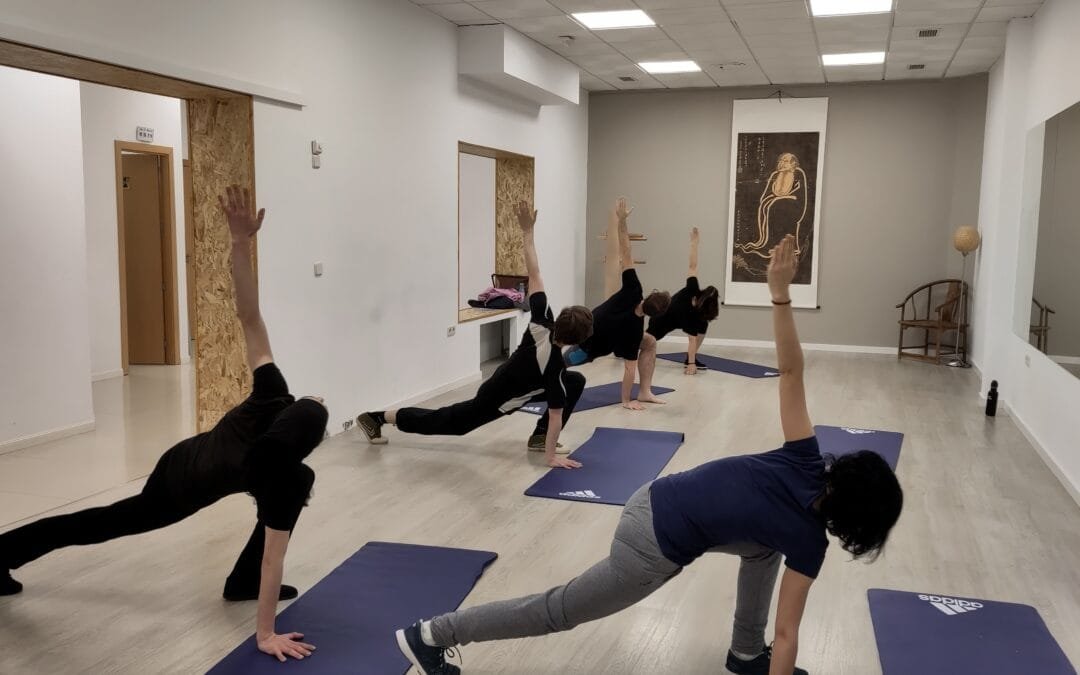
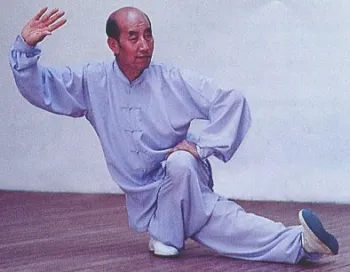
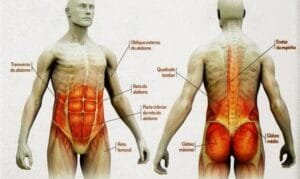
 which can limit joint range of motion and overall mobility. In addition, strength training improves blood circulation and the supply of oxygen and nutrients to the tissues, promoting muscle recovery and the elimination of toxins.

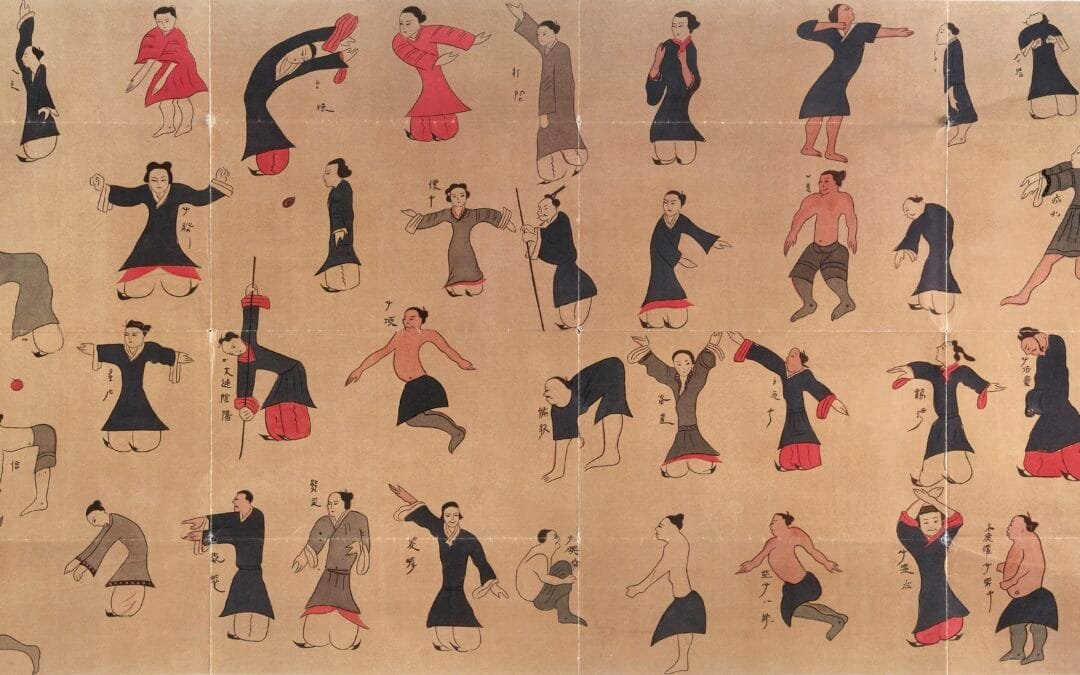
 In ancient times, there were more than thirty different names referring to Qigong, such as Tu Na, Xing Qi, Bu Qi (Qi infusion), Fu Qi (Qi absorption), Dao Yin, Lian Dan, Xiu Tao (self-cultivation according to Taoist doctrines), and Zuo Chan. In fact, Qigong includes many forms, and these various names represent different subtypes that can be classified as Massage Gong, Dao Yin Gong, and Health Preservation Gong, according to their specific effects on the body.